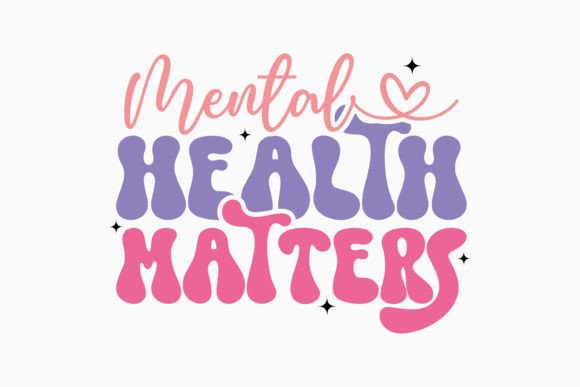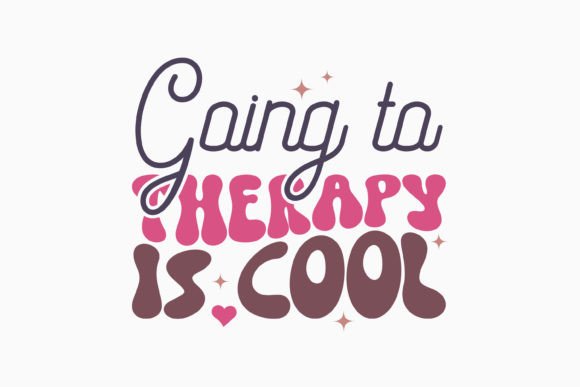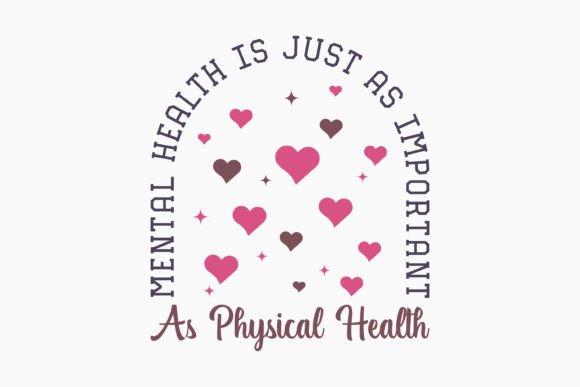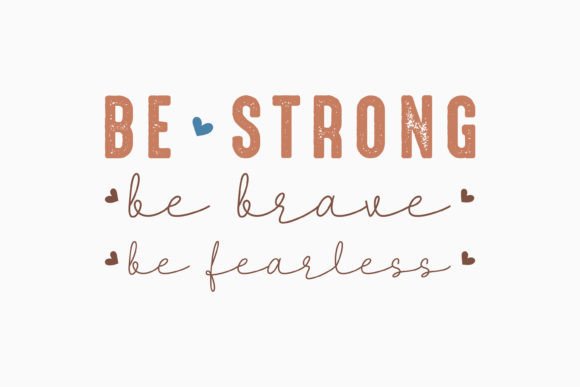
Retro Mental Health SVG Maslow Before: A Stitch Test
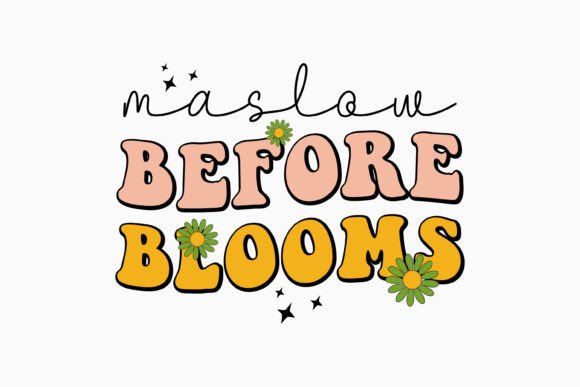
As a designer who spends as much time behind an embroidery machine as I do in vector software, I approach every new graphic asset with a healthy dose of skepticism. When evaluating the Retro Mental Health Svg Maslow Before for potential use in my shop’s upcoming wellness collection, my first question wasn't about the aesthetic—it was about the stitch path. This design plays on the popular "Maslow Before" meme, prioritizing basic human needs before higher-level functioning, all wrapped in a nostalgic, retro typography style. While the product description highlights its readiness for print and color customization, my review focuses entirely on how this digital embroidery file translates from screen to fabric.
First Impressions: Retro Charm Meets Stitch Reality
The visual personality of Retro Mental Health Svg Maslow Before is undeniably strong. It evokes a 70s-inspired warmth that resonates deeply with current mental health advocacy trends. The layout suggests a hierarchy, which is visually pleasing but presents specific challenges for digitizing. As a machine embroidery design, retro fonts often rely on bold, rounded serifs or bubbly sans-serifs. These are excellent for satin stitch columns, provided the width remains consistent. However, if the original SVG contains varying line weights or distressed textures meant for print, those details must be simplified for needle and thread. A distressed edge looks vintage on a poster; on a sweatshirt, it can look like skipped stitches or poor registration.
For my real-world test case, I selected a heavyweight French terry sweatshirt intended for a boutique capsule collection. The goal was a custom apparel piece that felt soft, wearable, and professionally finished. The mood of the design perfectly matched the cozy, self-care vibe of the garment. However, translating a graphic meant for "t-shirt, poster, mug" into a durable embroidery project required verifying that the retro curves wouldn't pucker on the knit fabric.
Performance Across Fabrics and Products
In practical application, Retro Mental Health Svg Maslow Before shows versatility, but success depends heavily on substrate selection. Because the design likely features text-heavy elements arranged in a pyramid or list format, stability is paramount. On my test sweatshirt, the design anchored well because the fabric had enough body to support the stitch density. For lighter projects like a tote bag design or canvas apron, this graphic would perform exceptionally well, as the tight weave of canvas mimics the clean lines of vector art.
However, I would exercise caution when applying this to stretchy performance wear or thin baby clothes. The phrase "Maslow Before" implies a sequence, meaning the text is likely stacked. Stacked text creates a vertical column of tension. On a baby embroidery onesie, this could distort the garment's shape unless you use a high-quality cutaway stabilizer and potentially reduce the design size. For holiday embroidery items like tea towels or pillow covers, the retro aesthetic is a perfect fit, but you must ensure the fill stitch patterns (if any) aren't too dense for linen, which can lead to fabric tearing during washing.
Navigating Technical Constraints and Hoop Sizes
One critical aspect of reviewing Retro Mental Health Svg Maslow Before is understanding its dimensions relative to your equipment. The product notes indicate source files are included, which is vital for resizing. If you plan to use this for commercial embroidery on caps, verify the vertical height. Retro designs are often tall; many cap hoops have limited vertical space. You may need to re-digitize or rearrange the hierarchy to fit a curved surface without losing readability.
Furthermore, consider the hoop size limitations for smaller items. If the design includes intricate icons representing Maslow’s needs alongside the text, those details might get lost in a 4x4 hoop. I always recommend testing small lettering on scrap fabric first. If the retro font has internal counters (the holes in letters like 'a' or 'o') that are smaller than 2mm, they may close up during stitching. In such cases, simplifying the applique design elements or switching to a running stitch outline for the smallest text is a necessary adaptation for a professional finished product.
Color Strategy and Commercial Viability
The listing mentions "100 Color Changeable" and "easy change color," which is a significant advantage for Etsy sellers and small business owners. Retro palettes typically involve mustard yellows, burnt oranges, avocado greens, and muted teals. When planning your thread colors, remember that embroidery thread has a sheen that print ink lacks. A matte retro color on screen might look neon in rayon thread. I strongly advise creating physical thread charts against your chosen fabric before committing to a production run.
From a business perspective, Retro Mental Health Svg Maslow Before offers high value for personalized gift markets. The message is universally relatable, making it safe for general retail while still feeling niche. However, because this falls under the Crafts and Graphics categories, you must clarify licensing. Ensure you have the right to sell physical embroidered goods versus just the digital file. For craft business owners, offering this design on multiple products—from mugs to patches—maximizes ROI, but only if the digitization holds up across those varied surfaces. An embroidered patch version of this design could be particularly lucrative, as patches allow for higher density and finer detail than direct-to-garment stitching.
Designer Notes for Professional Results
To ensure Retro Mental Health Svg Maslow Before meets professional standards, follow these practical steps before listing any item:
- Verify Source Integrity: Since EPS and SVG files are included, open them in your embroidery software to check node count. Excessive nodes in a vector file can result in jagged stitch paths. Smooth out curves before digitizing.
- Test Contrast: Retro designs often use low-contrast colorways for aesthetic effect. In embroidery, low contrast equals illegibility. Ensure your thread colors provide enough definition against the fabric, especially for the "Before" portion of the text which carries the punchline.
- Stabilizer Selection: Do not rely on tear-away stabilizer for knits or stretchy fabrics when stitching this design. The vertical stacking of text requires the permanent support of a cutaway to prevent distortion after washing.
- Mockup Accuracy: Use printable mockup tools to visualize placement, but always stitch a sample. Digital previews cannot simulate the texture of satin stitch on terry cloth or the pull of fill stitch on canvas.
- Check Small Details: If the design includes decorative stars, flowers, or symbols typical of retro art, ensure they are large enough to stitch cleanly. Elements under 3mm may need to be removed or enlarged to avoid needle breaks or thread bunching.
Ultimately, Retro Mental Health Svg Maslow Before is a promising asset for makers who understand the translation between vector art and thread. Its strength lies in its cultural relevance and adaptable retro style. By respecting the technical requirements of machine embroidery design—specifically regarding fabric stability, text legibility, and color contrast—you can transform this digital graphic into a high-quality, sellable product that truly supports the mental health message it promotes. Always prioritize the integrity of the stitch over the speed of production; your customers will recognize the difference in the final handmade product.