I Had My Patience Tested I'm Negative: Design Review
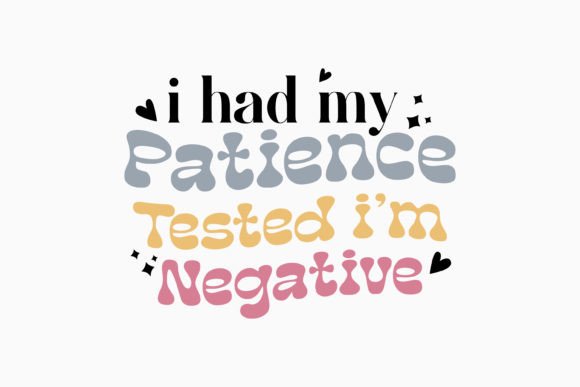
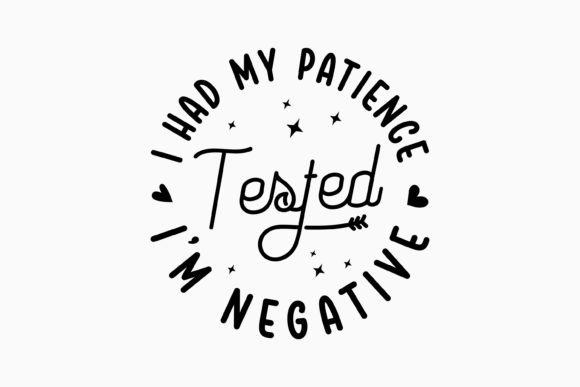
As a professional embroidery digitizer and product reviewer, I approach every new machine embroidery design with a healthy dose of skepticism. The market is flooded with graphics that look pristine on a screen but turn into thread nests or illegible messes once they hit the hoop. When I first opened the files for "I Had My Patience Tested I'm Negative," I wasn't just looking at a funny retro mom quote; I was evaluating a potential bestseller for my craft business. This design falls squarely into the Graphics category, but its true test lies in how it translates from a vector SVG to a tangible finished product.
First Impressions: Retro Charm Meets Stitch Reality
The visual personality of this design is immediately clear. It taps into the current nostalgia trend with a retro aesthetic that resonates deeply with millennial parents and Etsy sellers targeting that demographic. The layout balances humor with readability, which is the golden rule for text-based embroidery projects. Unlike overly ornate scripts that often fail in small hoop sizes, the typography here appears structured enough to maintain integrity when stitched.
From a designer’s perspective, the mood is lighthearted yet relatable. It doesn't feel aggressive despite the "negative" punchline; instead, it feels like an inside joke among tired parents. This emotional connection is vital for personalized gifts and boutique merchandise. However, as I reviewed the source files (EPS and SVG at 300dpi), my primary concern was stitch density. Vector files are excellent for print, but for commercial embroidery, we must ensure the lines aren't too thin for a standard needle or too dense for stretchy knits. The inclusion of editable source files is a massive advantage here, allowing me to adjust elements before committing to a final embroidered patch or garment.
Real-World Application: The Sweatshirt Test
To truly evaluate this asset, I mentally placed it in a real-life production scenario: creating a custom crewneck sweatshirt for a holiday craft fair. Sweatshirts are a staple for custom apparel, but their fleece backing and knit face present specific challenges. I envisioned stitching "I Had My Patience Tested I'm Negative" across the chest of a heather grey sweatshirt.
In this context, the design’s versatility shines. Because the file allows for easy color changes, I could adapt the thread palette to match seasonal trends—perhaps warm mustard and rust tones for autumn, or classic navy and cream for year-round appeal. For a sweatshirt embroidery project, legibility is paramount. Customers need to read the joke from a distance. If I were producing this for my shop, I would likely utilize a combination of satin stitch for the bold lettering and potentially a fill stitch for any larger graphic elements to reduce stitch count and prevent the fabric from puckering.
This design also shows promise for tote bag designs. Canvas tote bags provide a stable, non-stretchy surface that is forgiving for detailed text. A handmade product featuring this quote on a natural canvas bag would photograph beautifully for printable mockups and social media marketing. The contrast between dark thread and light fabric ensures the retro vibe pops, making it highly "giftable" for new moms or teacher appreciation gifts.
Navigating Fabric Limitations and Hoop Constraints
While the design has strong commercial potential, experienced makers know that not all substrates are created equal. There are specific scenarios where I would advise caution when using "I Had My Patience Tested I'm Negative."
- Stretchy Fabrics: If you are applying this to ribbed baby onesies or lightweight jersey, you must use appropriate stabilizer. Without adequate support, the weight of the stitches can distort the fabric, causing the "Negative" text to warp or tunnel.
- Small Hoop Sizes: While the design is scalable, reducing it significantly for baby embroidery or sleeve cuffs risks losing detail. Tiny serifs or internal counters in letters may fill in. Always test scale adjustments on scrap fabric first.
- Textured Surfaces: Avoid using this on high-pile towels or nubby linens unless you use a water-soluble topping. The texture can swallow the running stitch details, making the retro font look broken or incomplete.
- Curved Surfaces: Cap embroidery requires specialized digitizing. Unless this file has been specifically mapped for curved hooping, flattening it onto a structured cap might result in distortion at the edges. Proceed with care or stick to flat apparel decoration.
Designer Notes: Ensuring Professional Results
Before listing any item featuring this design in your small shop product lineup, run through this practical checklist. These steps separate hobbyists from professional creative entrepreneurs:
- Verify Licensing: The product description mentions source files and print readiness, but always confirm the specific commercial license terms regarding digital embroidery files versus physical end products. Protect your business by knowing exactly what you can sell.
- Contrast Testing: Test the design in both black-and-white and full-color mockups. Ensure the retro color palette maintains sufficient contrast against your chosen garment colors. Low contrast kills readability in photos and real life.
- Density Check: Open the SVG/EPS in your embroidery software to verify stitch paths. If converting from vector yourself, ensure thread colors are assigned logically to minimize jumps and trims. Efficient stitching increases profit margins on commercial embroidery runs.
- Washability Assessment: Consider the end use. If this is for a kitchen towel or bib that will see frequent laundering, avoid metallic threads or delicate applique designs that might fray. Stick to durable polyester or rayon threads.
- Mockup Accuracy: When creating listings, use realistic design assets. Don't just overlay the SVG; show a photo of the actual stitched sample if possible. Buyers trust texture and imperfection over digital perfection.
Final Verdict for Makers and Sellers
"I Had My Patience Tested I'm Negative" is more than just a witty phrase; it is a versatile design asset with genuine market viability. Its retro styling aligns perfectly with current consumer preferences in the Crafts sector, and the inclusion of high-resolution source files offers the flexibility needed for professional customization.
For the Etsy seller or boutique owner, this design bridges the gap between niche humor and broad appeal. It works exceptionally well on stable fabrics like canvas, denim, and mid-weight cottons, making it ideal for holiday embroidery gifts, mama merch, and casual wear. However, success depends entirely on execution. Respect the limitations of your machine and fabric, perform diligent test stitches, and leverage the editable nature of the file to optimize stitch density for your specific application.
Ultimately, this design earns a positive recommendation for real-world project use, provided the maker applies professional judgment during the digitizing and production phases. It has the potential to be a consistent performer in a personalized gift catalog or a standout piece of custom apparel, turning a simple digital file into a profitable, tangible creation.