Happy 4th of July SVG: A Designer’s Embroidery Review
First Impressions: Patriotic Charm Meets Digital Versatility
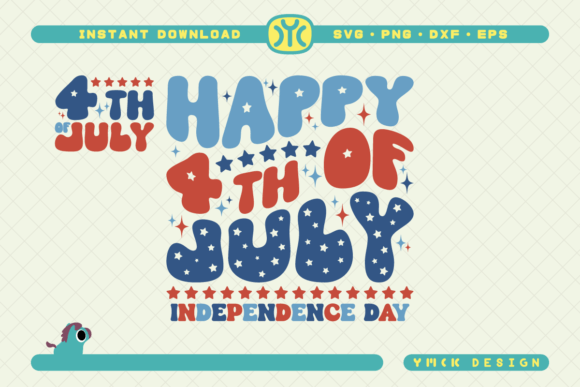
As a professional designer who regularly evaluates graphics for both print and stitch, my first look at the Happy 4th of July SVG was focused on adaptability. When browsing the Crafts category for holiday assets, it is easy to find designs that look beautiful on screen but fail when translated into thread. This particular graphic strikes a promising balance. The layout feels celebratory without being overly cluttered, which is the single most important factor when converting a vector file into a machine embroidery design. The visual personality is upbeat and classic, suggesting it will resonate well with customers looking for timeless Americana rather than trendy, fleeting aesthetics.
The inclusion of high-resolution PNG files alongside the vector formats is a significant advantage for mixed-media creators. For those of us running a craft business or managing an Etsy shop, having a printable mockup ready to go saves hours of prep time. However, as an embroidery specialist, my primary interest lies in how these clean lines will perform under the needle. The design’s structure suggests it could transition smoothly into an applique design or a combination of satin stitch and fill stitch, provided the digitizer respects the original line weight.
Real-World Application: Stitching a Custom Tote Bag
To truly evaluate this asset, I mentally walked through a recent client project: a custom canvas tote bag intended as a personalized gift for a Fourth of July family reunion. Canvas is a forgiving fabric texture, but it demands a design with enough presence to stand out against the weave. The Happy 4th of July SVG appears ideally suited for this type of sweatshirt embroidery or tote bag application because of its likely bold silhouette.
In this scenario, I would utilize the EPS or DXF files to resize the artwork within my embroidery software without losing edge integrity. For a tote bag, I envision using a tear-away stabilizer to maintain crisp edges. If the design features block lettering, I would recommend a dense fill stitch to ensure coverage on the textured canvas. Conversely, if there are intricate star details, a running stitch outline might be necessary to define the shape before filling. This specific use case highlights why checking your hoop size is critical; you want the patriotic motif to be large enough to be legible from a distance but not so heavy that it distorts the bag’s natural drape. For small shop product lines, this versatility means one digital embroidery file can serve multiple inventory needs, from baby embroidery on onesies to larger holiday embroidery on outdoor pillows.
Navigating Fabric Limitations and Hoop Constraints
While the Happy 4th of July SVG offers excellent potential, experienced makers know that not all fabrics cooperate equally. I must advise caution when applying this design to stretchy knits or lightweight performance wear. Without proper stabilization, the stitch density required to render the graphic clearly could cause puckering or tunneling. Always test on scrap fabric first. If you are planning custom apparel on a dark navy t-shirt, verify that the design includes adequate underlay stitches in your digitized version to prevent the fabric color from bleeding through white or red thread areas.
Furthermore, consider the scale. Tiny lettering or sharp corners in a vector graphic often do not translate well to small hoop sizes. If you intend to use this for an embroidered patch or a cap, you may need to simplify the design elements manually. Caps present the added challenge of curved surfaces; what looks flat in the Graphics preview may distort when stitched on a rounded brim. In these instances, opting for a simplified applique variation of the Happy 4th of July SVG often yields better results than attempting a full-density fill stitch version. Always inspect small details in your software’s 3D view before committing to a final run.
Elevating Product Value and Customer Trust
For Etsy sellers and creative entrepreneurs, the quality of your finished product directly impacts buyer engagement and reviews. Using a high-quality source file like this contributes significantly to perceived value. When a customer receives a handmade product where the stitching is clean, the registration is perfect, and the design proportions are correct, it builds brand consistency and trust. The Happy 4th of July SVG provides a professional foundation that helps avoid the amateurish look of poorly traced clip art.
From a commercial embroidery perspective, clarity equals professionalism. Whether you are creating boutique branding items or selling digital product previews, the crispness of the original vector lines ensures that your marketing materials match the physical output. High-resolution assets allow you to create accurate printable mockups that set realistic expectations for buyers. This transparency reduces returns and increases satisfaction. Additionally, because this file set includes multiple formats, it supports a wider range of production methods, allowing you to offer matching stickers or signs alongside your embroidered goods, thereby increasing the average order value for your craft business.
Essential Designer Notes for Success
Before loading this design into your machine or listing it in your shop, please adhere to these practical guidelines derived from years of production experience:
- Verify Licensing: While the description mentions usage for T-shirts, mugs, and stickers, always confirm the specific commercial license terms regarding the sale of finished embroidered products versus the resale of the digital embroidery file itself.
- Test Thread Colors: Patriotic palettes can vary wildly. Test your red, white, and blue thread colors against each other and the base fabric. Some reds bleed or appear too orange under certain lighting; ensure your contrast is sufficient for readability.
- Check Stitch Density: Do not assume the auto-digitize function will handle this perfectly. Review the stitch density settings to ensure they match your chosen fabric weight. Adjust pull compensation to account for fabric shift.
- Mockup Validation: Use the included PNG files to create black and white mockups. This helps you see the design’s value structure without the distraction of color, ensuring the composition holds up visually.
- Stabilizer Selection: Match your stabilizer to the end use. A washable tea towel requires different support than a permanent nursery decor item. Never skip the stabilizer step, even on stable fabrics.
- Format Compatibility: Confirm that the provided EPS or DXF files import correctly into your specific embroidery software version before purchasing or starting a large batch production.
Ultimately, the Happy 4th of July SVG represents a solid investment for makers who understand the translation process from screen to stitch. It offers the flexibility needed for diverse projects, from personalized gifts to commercial merchandise. By approaching this design with a technical mindset and respecting the limitations of thread and fabric, you can transform a simple digital graphic into a premium embroidered heirloom that customers will cherish for seasons to come. Remember, the best embroidery projects are born from the marriage of beautiful art and disciplined craftsmanship.